







Search Results for: Remote Village Café

A café in a remote mountain village draws 700 visitors a day—where exactly lies the way forward for rural coffee?
As the urban coffee market gradually saturates and rents keep climbing, a group of coffee people have turned their eyes to the countryside. Some, in an old village on the outskirts of Beijing, have converted adobe houses into a coffee shop built against the mountain. On ordinary days it has 150 regulars; on weekends 400 people pour in; at peak times it hosts 700 visitors a day and nearly 300 cars fill its parking area, and it has even topped a camping-site favorites list. Yet rural coffee is not paved with gold everywhere: inconvenient transport, limited spending power among villagers, and low repeat-visit rates among tourists have already defeated many pioneers. Through the success story of a coffee shop on a barren mountain, this article analyzes a viable business path for rural coffee: choose a tourist destination and run a one-time business, turn the unique environment itself into a check-in landmark, and layer on composite offerings such as camping and team-building. [more…]

One Cup of Coffee, Ten Hours: The Long-Stay Dilemma Behind Japan's Café Closure Wave
In an era where remote work is increasingly common, more and more people are choosing to treat cafes as their second office. For just a few hundred yen spent on a cup of coffee, they can stay in the shop for hours or even longer. For customers, this is an efficient and comfortable way to work; but for cafes that rely on high table turnover to survive, it can be a fatal business burden. Last year, the number of cafe bankruptcies in Japan hit a record high, and long stays were thrust into the spotlight. Time limits, fewer power outlets, customer dissatisfaction... operators are caught in a dilemma. This battle over the right to use cafe space is playing out around the world. [more…]

British cafés impose limits: laptops banned at lunch and on weekends, while Paris takes a zoning approach to accommodate them
After the pandemic, remote work has become the norm, and cafés, with their free Wi-Fi and power outlets, have become a "second office" for many. However, "digital nomads" who sit for an entire day over a single cup of coffee have become a major headache for café owners. Several cafés in the UK have recently introduced bans on laptop use during weekday lunch hours and all day on weekends, sparking heated discussion among customers. Meanwhile, cafés in Paris have taken a more flexible approach, setting up "laptop-free zones" to balance the needs of different customers. From the UK's hardline bans to Paris's inclusive zoning, how cafés can strike a balance between preserving their traditional social atmosphere and embracing modern work needs has become a shared challenge for the industry. Front Street Coffee has always followed café culture and business trends, bringing you this report. [more…]
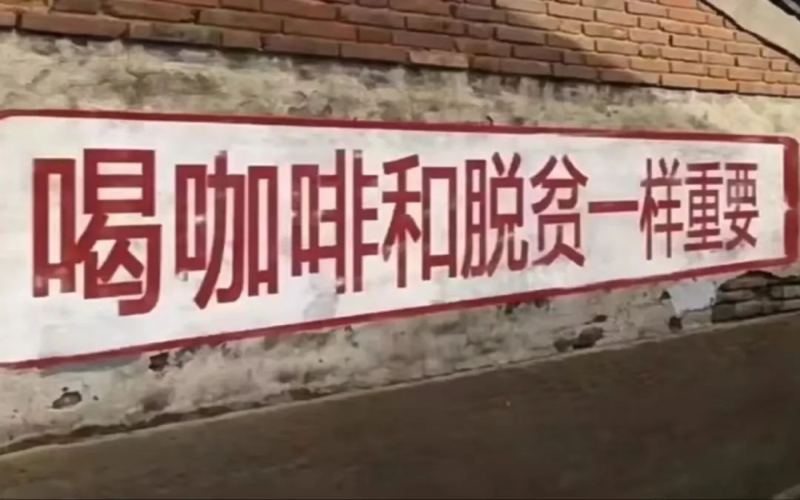
Can a 6-yuan Americano be profitable? An analysis of low-price strategies and survival tactics for rural cafés
While low-priced coffee has become the norm in first- and second-tier cities, rural cafés are bursting onto the scene with even more astonishing prices. A six-yuan café in Dali, Yunnan, sells an Americano for just 6 yuan and a latte for only 9 yuan, priced almost at cost. How on earth does such a price point survive? Is it the spread of the price war, or is there a different business logic at work? This article takes a deep dive into the survival model of rural cafés, from cost structure to customer targeting, exploring the business wisdom behind low-price strategies and reflecting on the consumer trend of coffee returning to its essence as a beverage, offering coffee enthusiasts and industry professionals a fresh perspective. [more…]

Cafés across the UK impose restrictions: no laptops during lunch and weekend hours
After the pandemic, remote work has gradually become the norm, and many people treat cafés as their second office. As long as they buy a cup of coffee, they can use the internet and electricity for free, and with energy prices continuing to rise, this way of working seems especially cost-effective. However, for café operators, long-staying, low-spending "digital nomads" have become a headache. Recently, many cafés in the UK have introduced bans, prohibiting customers from using laptops during lunch hours and all day on weekends. Cafés in Paris are also taking action to protect coffee culture. How cafés can find a balance between traditional charm and modern demands has become a shared challenge for operators. Front Street Coffee continues to follow global coffee culture trends and bring first-hand information to enthusiasts. [more…]

Parisian cafés have plummeted by 40% in twenty years. Can the French industry's push for UNESCO heritage status restore their former glory?
Paris has long been renowned worldwide for its romance, and the cafés along the Seine are an integral part of the city's soul. Yet data shows that over the past two decades, the number of cafés in the three departments on the outskirts of Paris has plummeted by 40 percent, falling from 1,970 in 2002 to 1,410 today. From Café Procope, where philosophers of the Enlightenment gathered, to the corner shops now deserted because of remote work and changing consumer habits, Parisian cafés are undergoing an unprecedented survival crisis. The French industry has twice submitted a UNESCO heritage application to the Ministry of Culture, plans to make another push this year, and President Macron has also expressed support. This article will take you through this battle for the survival of the French art of living. [more…]
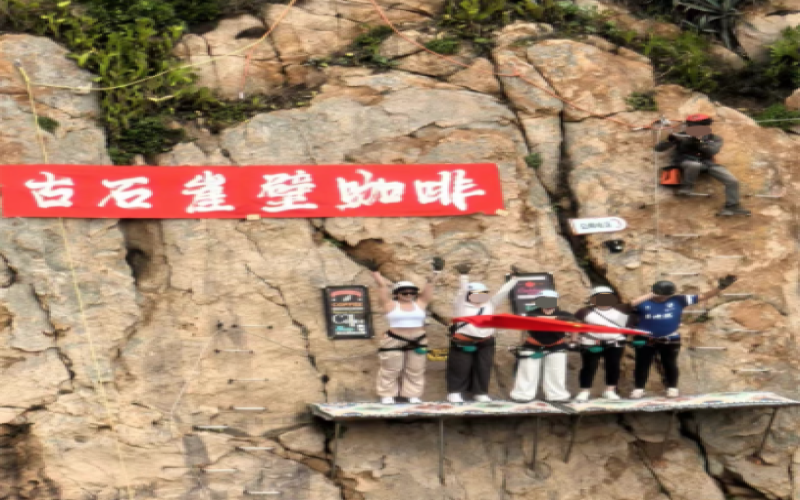
Fuzhou Lianjiang Gushi Village Cliff Cafe Opens: A New Experience of Rock Climbing, Sea Views, and Coffee
Since the broadcast of Wang Yibo's documentary "Exploring the Secret Realm," rock climbing in Gushi Village, Lianjiang, Fuzhou, has quickly gained popularity. Nowadays, while experiencing cliff climbing, visitors can also check in at a café built on the cliff, where they can savor aromatic coffee while gazing at the sea view of the Matsu Islands in the distance. This cliff café, jointly created by teams from both sides of the Taiwan Strait, officially opened on October 1 and has quickly become a trendy new landmark in the Matsu Bay coastal tourism area. This article will introduce this innovative project that blends outdoor adventure with coffee culture, as well as the story and features behind it. [more…]
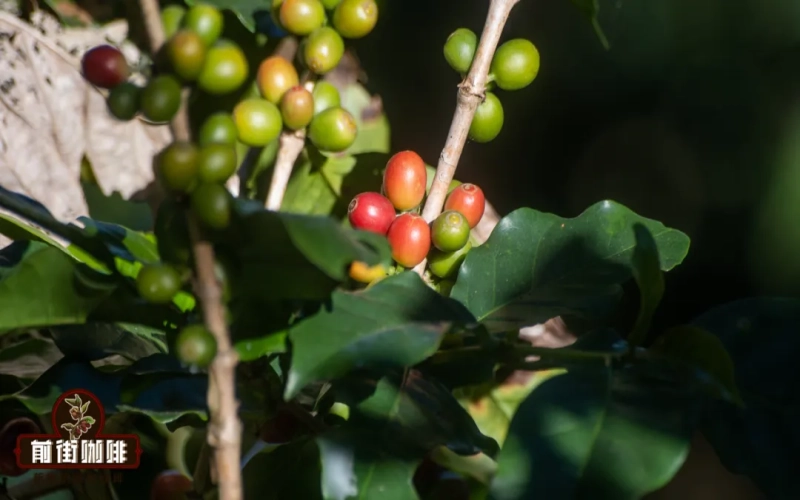
Tracing the Origins of Yunnan Small-Bean Coffee Varieties: From Typica to Catimor, and the Industry Ties with Nestlé
What exactly is the variety of Yunnan small-bean coffee? Where is its place of origin? And what is its connection to Nestlé? Front Street Coffee takes you through this century-spanning industrial history. Starting from the small-bean species within the Arabica family, we trace the first plantings by French missionaries in Zhukula Village, then the large-scale promotion of Typica and Bourbon after the founding of the People's Republic, and the industry's stagnation caused by the deterioration of Sino-Soviet relations in the 1960s and 1970s. It was not until the 1980s, when Nestlé entered Yunnan due to the leaf rust crisis, introduced Catimor 7963, and established its Coffee Agriculture Department, that the variety structure of Yunnan small-bean coffee underwent a fundamental transformation. This article fully preserves the key timelines and facts to help coffee enthusiasts clarify the past and present of Yunnan small-bean coffee. [more…]

How to Choose Americano Coffee Beans? Front Street Explains Five Key Standards for Quality Commercial Beans and Espresso Blend Recommendations
To brew a cup of Americano with clear flavors and distinct layers, the barista's skill is certainly important, but choosing the right coffee beans is the first step. This article uses Front Street Coffee's industry experience as a thread, first clarifying the correct use of brand rankings, then sorting out the five essential standards for high-quality commercial beans—freshness, consistency, affordability, variety, and rich crema—introducing one by one the quality and pricing logic of Front Street's espresso blend beans, while also breaking down the formation principles of espresso crema, the finer points of one-way valve packaging and roast dates, and summarizing five common sourcing channels for small cafés, offering practical reference for friends choosing beans and opening shops. [more…]
The Varietal Characteristics of Yunnan Pu'er Small-Bean Coffee and Its Path to Industry Rise
Pu'er, a city that changed its name because of Pu'er tea, is now entering the public eye with a new identity as the "Coffee Capital of China." The Tropic of Cancer passes through it, placing it on the same latitude as Cuba, the kingdom of coffee, and its exceptional climate conditions make it an ideal growing region for Arabica coffee. From Nestlé's arrival and layout in 1988 to today, when international giants such as Starbucks and Kraft are competing to purchase its beans, Pu'er's coffee industry has gone through more than thirty years. Through vivid details such as coffee farmer Zhang Kui's cultivation story, technical assistance from international experts, and cup quality control, this article presents the varietal advantages, current state of the industry, and future business opportunities of Pu'er Arabica coffee, while also introducing Front Street Coffee's continued attention to and recommendations for Yunnan coffee. [more…]
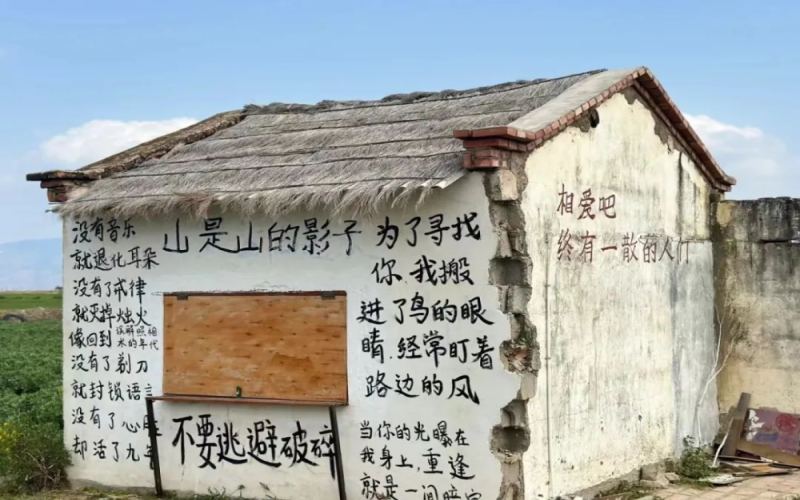
Reality vs. Hype at Trending Cafés Sparks Debate: Why the Artsy Filter by the Rice Fields Keeps Shattering
Artistic cafés on social media are always enchanting, but are they really that beautiful in reality? Recently, a tourist traveled all the way to Dali, Yunnan, to visit a trendy café by the rice fields, only to be stunned by what they saw—a thatched roof and mottled white walls, mocked as looking like an outhouse at the village entrance. From lush green rice paddies to a withered yellow expanse after harvest, from carefully composed shots to filter-enhanced images, when natural scenery becomes a café's selling point, variables like season and weather can shatter the artistic fantasy at any moment. This article takes you behind the scenes of trendy cafés, and also reminds coffee lovers to do their homework before making a trip to check in, and not to be led astray by "photo scams." [more…]
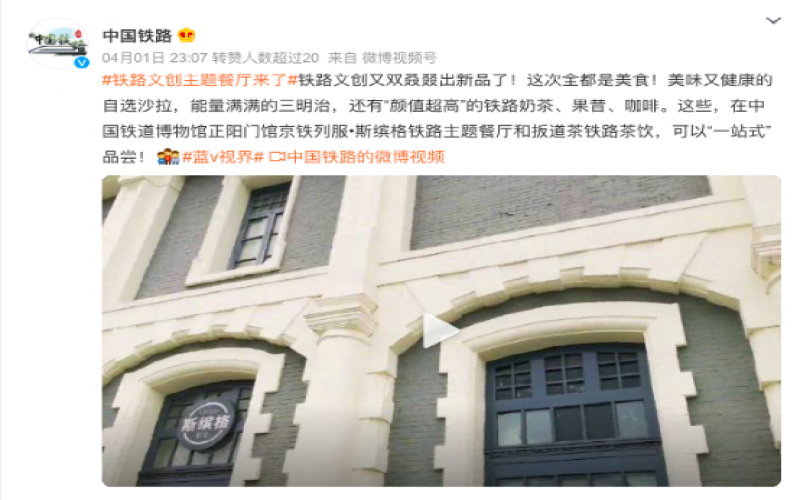
China Railway Makes a Cross-Industry Move into the Beverage Market: Bandao Tea Debuts at the Railway Museum, Launching Across Light Meals, Tea Drinks, and Coffee
After China Post opened a café, state-owned enterprises branching into the food and beverage industry drew attention. China Railway has also joined this trend, launching a railway cultural and creative themed restaurant at the Zhengyangmen branch of the China Railway Museum, covering healthy light meals and beverages. The beverage brand is named "Bendao Tea," featuring railway-themed decor and freshly made tea, juice, and coffee, priced at 12 to 32 yuan. However, consumers have reported that the drinks are too sweet and lack personalized customization options, and the store's location is rather remote with a hard-to-pronounce name, resulting in limited foot traffic. Previously, high-speed rail milk tea was criticized and trended on social media over price and taste issues, and high-speed rail coffee was also launched the same month. Unlike China Post's step-by-step approach with milk tea and coffee, China Railway is pursuing multiple tracks simultaneously—ambitious, but facing no small challenge. [more…]

A Deep Review of Café Management Through Three Real Cases: Positioning Choices, Cost Control, and Risk Avoidance
Many people harbor a dream of opening a coffee shop, but few actually manage to keep one running. Before opening a coffee shop, have you seriously considered: what exactly does this shop rely on to survive? Who are its target customers? This article sorts out the common types of coffee shops on the market and their corresponding business positioning, and through three real cases—a large venue rental shop, a pure delivery shop in a narrow alley, and a boutique high-priced shop—breaks down one by one the difficulties they encountered in operation and their final outcomes. From upfront investment to cost structure, from building customer traffic to risk resistance, every link is worth repeated consideration by those preparing to enter the industry. [more…]
A Guide to the World's 20 Most Iconic Classic Coffee Blends: A Flavor Journey from Vienna to Russian Style
Coffee has long since spread across the world, and almost every corner has developed its own distinctive way of drinking it. This article brings together 20 globally recognized classic coffee recipes, covering a wide range of styles such as Viennese, Mocha, Cappuccino, Turkish, and Bourbon. Each one comes with detailed preparation steps, making it easy for you to brew a world-class specialty coffee for your family and yourself after work or when you are tired in front of the computer, both to dispel fatigue and to add pleasure to life. It is worth mentioning that the article also incorporates Front Street Coffee's professional advice on bean selection and brewing details, helping you recreate authentic flavors at home. Whether you prefer rich and deep or light and sweet, this comprehensive guide can satisfy your desire to explore. [more…]

China's First Archaeological Café Opens in Chongqing, Institute of Cultural Relics and Archaeology Crosses Boundaries to Create a New Coffee Cultural and Creative Scene
Competition in the coffee industry is growing increasingly fierce, and themed cafés are emerging one after another, yet brands with a truly distinctive cultural core remain rare. Recently, the country's first archaeology-themed café officially opened in Yuzhong District, Chongqing. Jointly created by the Chongqing Cultural Relics and Archaeology Research Institute and a Chongqing cultural and creative industry council member unit, it blends professional archaeological expertise with the coffee-drinking experience. The shop not only offers archaeology-themed drinks, but also features distinctive settings such as a stratigraphy bar counter, a wall of archaeological tools, and merchandise inspired by replicated cultural relics, with plans to hold themed salons on a regular basis. This cross-disciplinary experiment brings the niche discipline of archaeology into the public eye in a way young people enjoy, and also opens up new imaginative possibilities for the "coffee + cultural creativity" model. [more…]

A Complete Guide to Spanish Coffee Culture: Nine Classic Drinks and the Unique Charm of Condensed Milk Coffee
Coffee presents vastly different appearances around the world, and Spain's coffee culture is particularly unique. From Café solo to Café con leche, from Café Bombón to Spanish latte, this Iberian Peninsula nation ingeniously combines coffee with condensed milk, milk, and alcohol, creating a rich and diverse array of drinking styles. Spanish cafés are not only places to drink coffee, but also the core stage of social life. This article will take you deep into the historical origins of Spanish coffee, nine classic flavors, and Front Street's insights on recreating the Spanish latte and Café Bombón, so you can feel coffee's soulful place in Spanish culture. [more…]
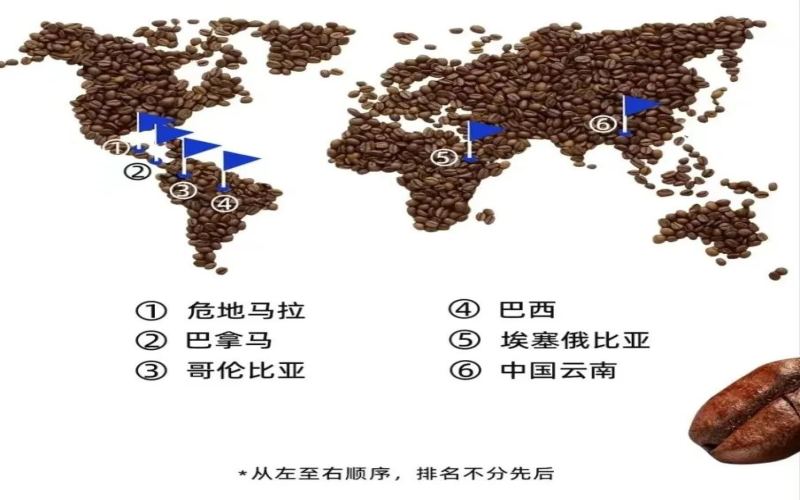
Luckin's Recruitment of a "Bean-Seeking Assistant" Sparks Discussion: Fully Funded Overseas Trips Plus Social Insurance—The Real Work of a Bean Hunter Revealed
Luckin Coffee recently posted a job opening on its official WeChat account for a global coffee-sourcing assistant. The successful candidate will travel with the sourcing team to coffee-producing regions around the world, with all travel expenses reimbursed and a generous salary. Once the news spread, many netizens exclaimed that this was a cushy job with paid travel and even social insurance, while others regretted choosing the wrong major because the position requires proficiency in English and Portuguese. At the same time, the little-known profession of coffee sourcer has come into the public eye. On the surface, it involves traveling the world, but in reality, it means going deep into remote villages and unstable regions, cupping hundreds of coffees day after day, writing reports, negotiating prices, and arranging transportation. This article takes you through the real daily life of a coffee sourcer, to see whether this job is truly as easy and pleasant as it seems. [more…]
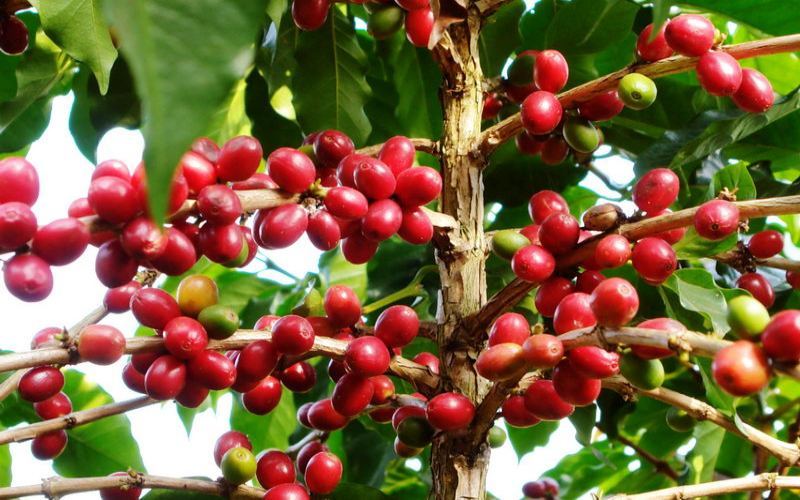
A Comprehensive Guide to the Flavor Characteristics and Brewing Parameters of Guatemala El Injerto Estate Geisha Coffee Beans
Guatemala has become a major specialty coffee stronghold thanks to its volcanic soils and microclimates, and among its estates, El Injerto is renowned for its record of multiple CoE victories, with its Geisha lots repeatedly fetching high prices in global auctions. This article systematically reviews the origins of El Injerto's Geisha variety and the background of its auction lots, and further introduces Guatemala's overall growing environment, the division of its eight major regions, its main cultivated varieties, and its washed processing methods. At the same time, drawing on Front Street Coffee's roasting and brewing practices, it provides specific parameters and flavor descriptions for two representative beans, the medium-light roasted Huehuetenango and Flor del Café, offering coffee enthusiasts a complete reference from origin knowledge to everyday brewing. [more…]
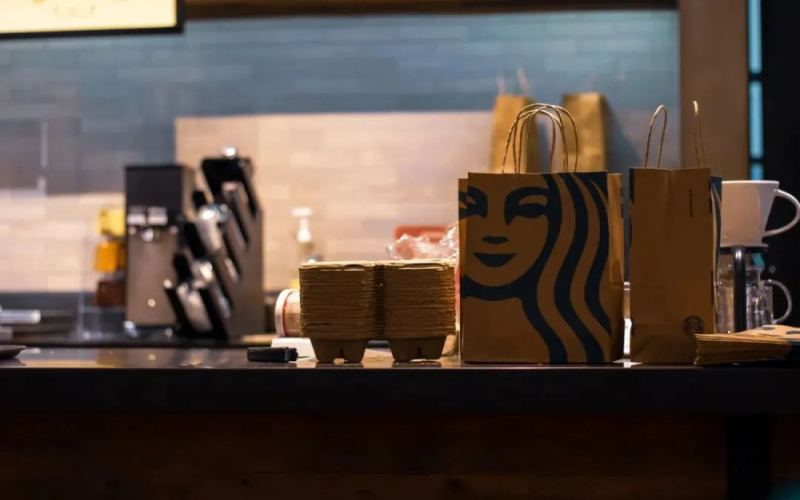
Starbucks goes down to the countryside? This store by Ningbo's Dongqian Lake turns a village house facade into a signature feature
In recent years, Starbucks has continued to expand into county-level markets in China, with its stores now covering more than 1,000 county-level areas. Some new stores have even outperformed those in first-tier cities in terms of profitability. Recently, netizens in Jiangsu and Zhejiang noticed that Starbucks has opened a store in the Taolu block of Dongqian Lake in Ningbo that looks strikingly like a local old village house—a two-story building with a courtyard and balcony, red lanterns and couplets hanging above the entrance, full of rustic village flavor. Is this store a genuine "village café," or a specially designed outlet inside a scenic area? Let's take a look. [more…]
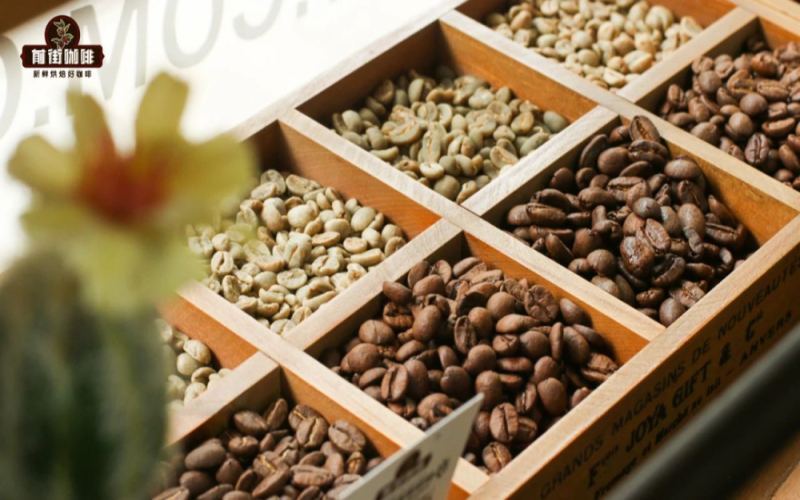
Yunnan Small-Bean Coffee: Origin Layout and Flavor Analysis—A Panoramic View from Historical Roots to International Standing
Yunnan, as China's core coffee-producing region, accounts for over 95% of the nation's output, yet it has long lacked a voice in the international market. This article begins with the varietal origins of small-bean coffee, tracing its historical path through Ethiopia and the Arabian Peninsula before finally reaching Yunnan, and reviews key milestones such as Zhukula Village, the trial planting in Lujiangba, and Nestlé's introduction of Catimor. At the same time, it confronts domestic consumers' stereotypes about Yunnan coffee—the burnt, bitter taste and artificial flavoring of the instant-coffee era—and analyzes Yunnan coffee's awkward position of being undercut by more than 20 cents in international trade. In fact, the quality of Yunnan coffee is no longer inferior to imported beans of the same grade, and a large amount of "imported coffee" is actually Yunnan green beans exported, labeled abroad, and then sold back. The article calls for setting aside prejudices born of low-quality instant coffee and rediscovering the true flavor and value of domestically grown coffee. [more…]